HOLES IN THE COLLECTION
Holes in the museum are generally seen as disadvantageous, even catastrophic. If the museum purports to enclose a cultural practice of care for objects (the word ‘curate’ itself originates from the Latin cūrātor, meaning keeper or guardian), holes emerge as a negation of this institutional architecture. At a curatorial level, when one speaks of “holes in the collection,” the figure of speech might refer to objects missing from the existing array of artifacts acquired by the museum, or of works by artists from historically marginalised demographics. Such absences are often named in acknowledgements of former shortsightedness; or attributed to biases of the previous curatorial staff, or museum directors; or, less often, the result of works being sold off to fund a contemporary venture to please the museum’s board. A somewhat comical example of the former comes to us in a local news story in the United States about a supposed “gaping hole” in the West Virginia State Museum collection of rifles. In a WVNews article, Joe Mullins, who sculpted the state war memorial in Charleston, is quoted as saying “I was offended—again—by the lack of a P17 Enfield (rifle).” Incensed, Mullins coordinated the weapon’s subsequent donation to the museum where it now safely resides.
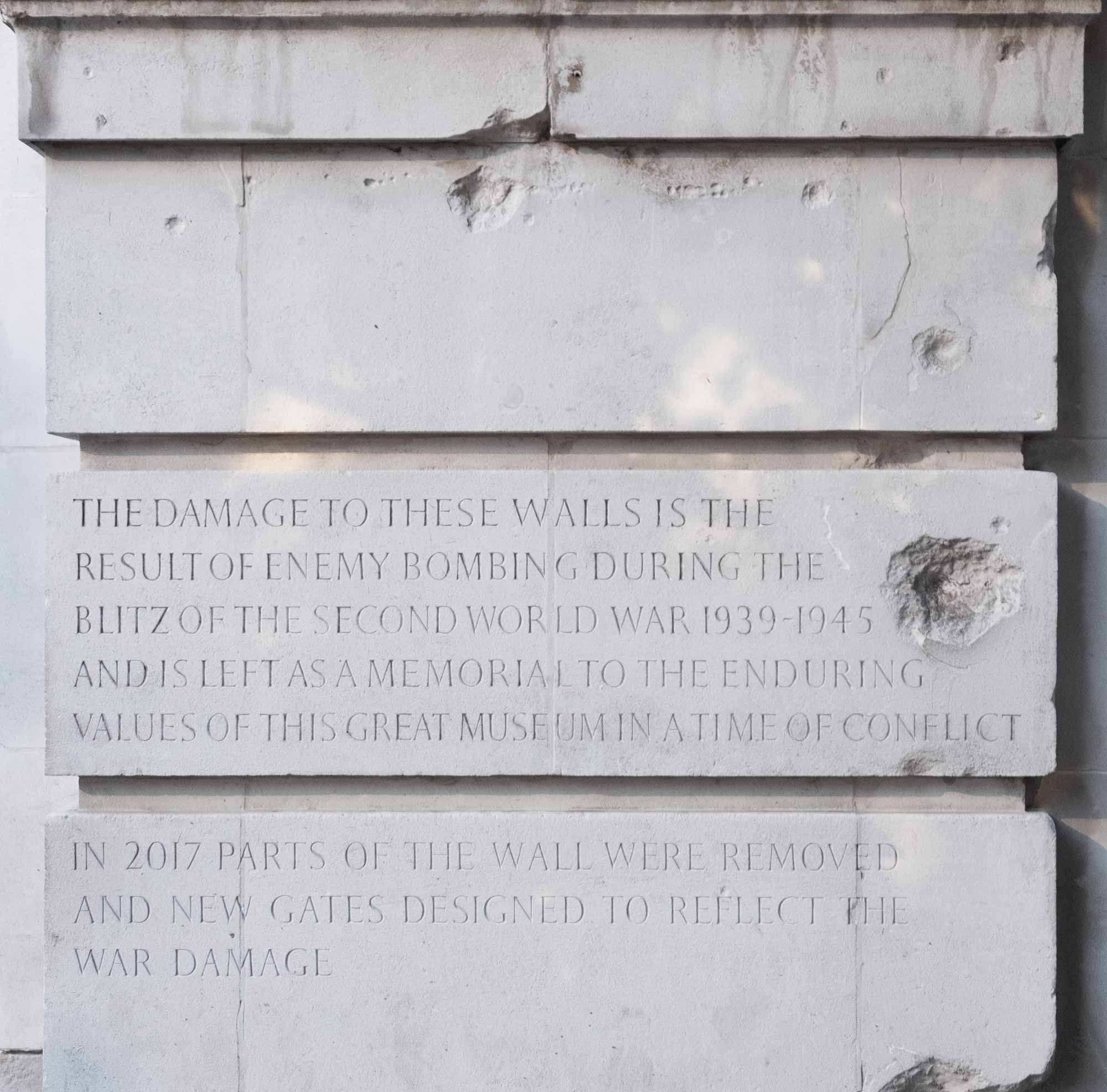
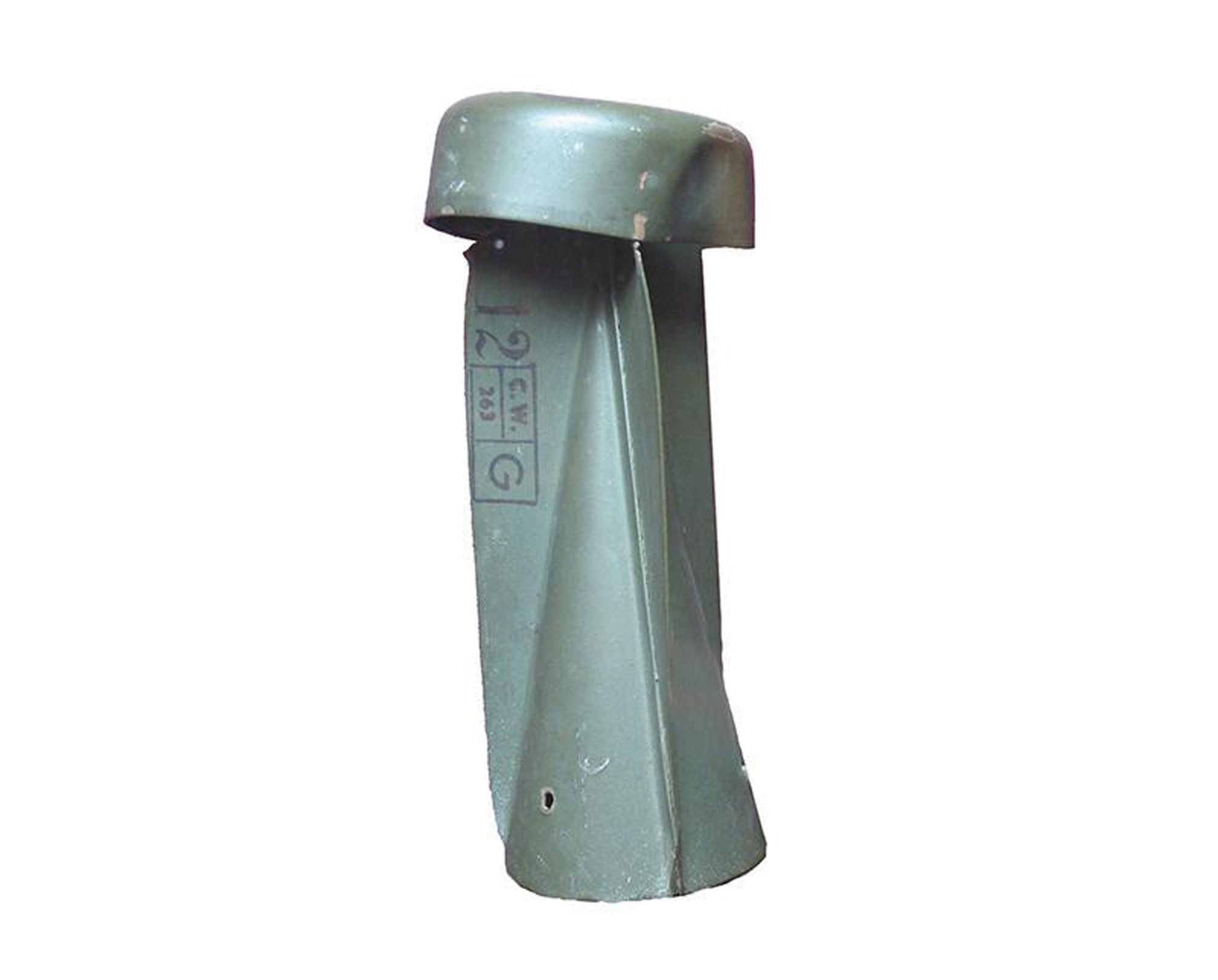
But “holes in the collection” should not be understood as simply a figure of speech. And if some people consider weapons worthy of conservation, they may equally be the source of material harm. The buildings of a vast number of cultural institutions in the city of London were compromised, if not outright ruined, by aerial bombardment in 1944. When Sir John Soane’s Museum, for instance, had its stained glass windows and skylights blasted out by mortars, beginning on the night of September 8, the curator had to surround sarcophagi with sandbags and wooden scaffolds, cover the broken glass with felt, and replace the roof with plywood. On September 24, a German firebomb crashed through the makeshift plywood covering, but its fire was quickly extinguished. Now the casing of the firebomb is itself a part of the museum’s collection. This essay’s opening image, showing a memorial engraved in stone on the wall of the Victoria and Albert Museum, demonstrates this particular museographic adaptability. While the walls’ damage shows an attempt to destroy the building, the museum deftly inverts this destruction into an act of preservation and, even further, encases the events within a proclamation of its own moral prowess.
It is no coincidence that, in considering some of the holes, absences and destruction within the museum complex, we are led so quickly to the significance of weaponry. The Sir John Soane’s Museum anecdote provides us with a concrete instance of the museum’s vulnerability to violence. Yet such examples must be considered alongside the more covert ideological and historical violence of Anglo-European collecting. A prominent case can be found at Oxford’s Pitt Rivers Museum. Founded by General Pitt Rivers in the mid-nineteenth century, the collection began through his fascination with and acquisition of weapons. Concerned with the development of civilisation displayed through objects, Rivers sought to organise the world through his collection, grounding this organisation in purported scientific and evolutionary frameworks. He utilised a typological method of display, as explained by scholar and curator Henrietta Lidchi, who states that Rivers’ museum “promoted and legitimised the reduction of cultures to objects, so that they could be judged and ranked in a hierarchical relationship with each other.”
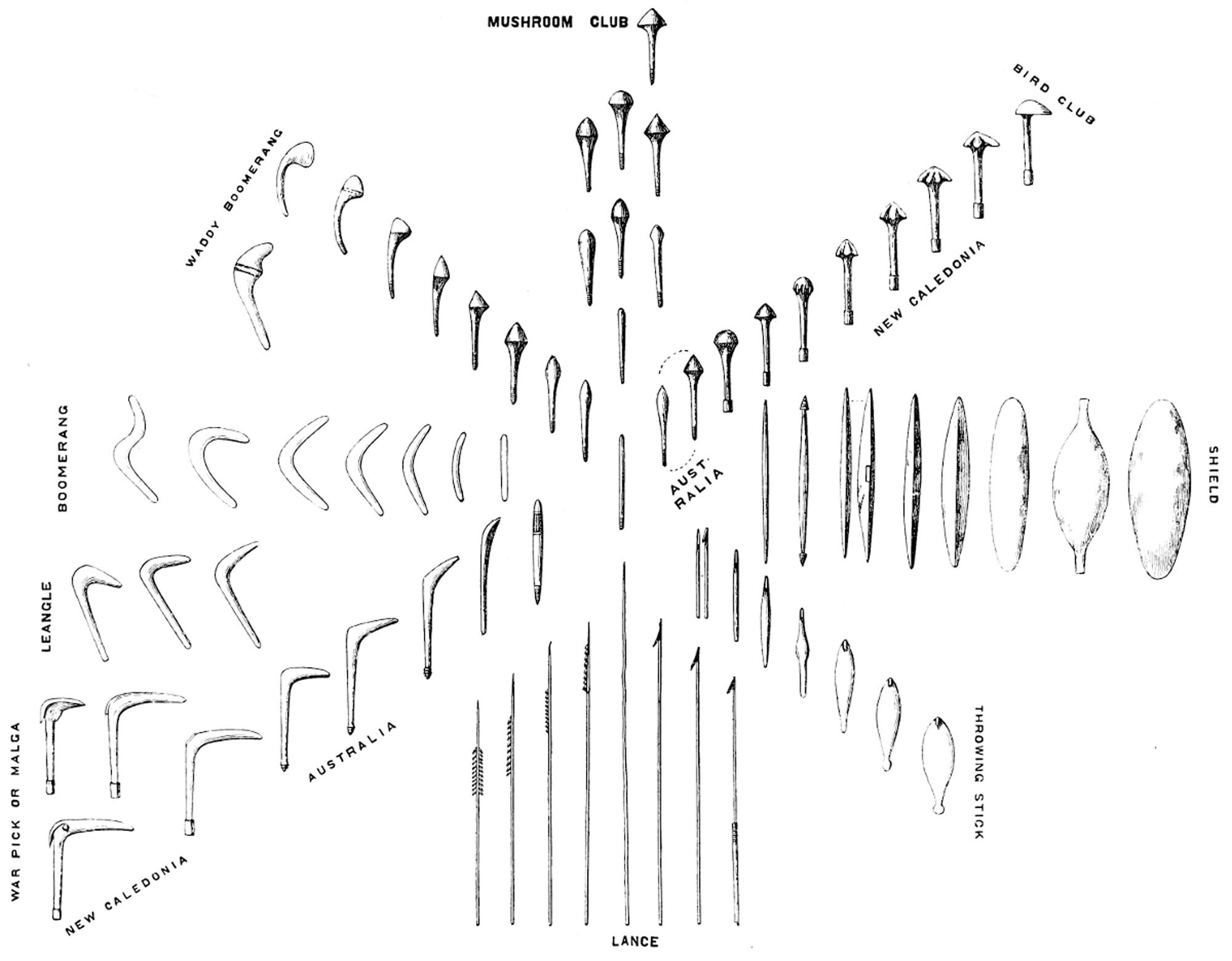
Here, objects originally intended to cause cuts, gashes and wounds (or protect the user against such afflictions, in the case of collected shields) were recontextualised as rarified cultural markers to signify the technological development from non-Western towards Western civilisation. Colonial expansion overseas and the rise of the museum at home systematised European narratives of progress and power; world history was to be read through the European lens, and the story would be told through the public display of looted objects. Thus, the museum of the 19th century not only valorised acts of physical pillaging but simultaneously amounted to a practice of ideological plugging: where one hole was created, another was abruptly filled. In 1879, for example, during the Anglo-Zulu War, British soldiers seized Zulu Iklwa spears, sending them to museums, such as the British Museum in London. Displayed as trophies of conquest, and often placed next to European weaponry, the Zulu spears were stripped of their cultural context and used to reinforce colonial ideologies. The “primitive” weapons were placed alongside British arms to emphasise the supposed progress from barbarism to civilisation. In this way, the Zulu objects’ cultural significance was diminished, so that they came to serve instead as relics of a defeated society and a visual symbol of imperial dominance.
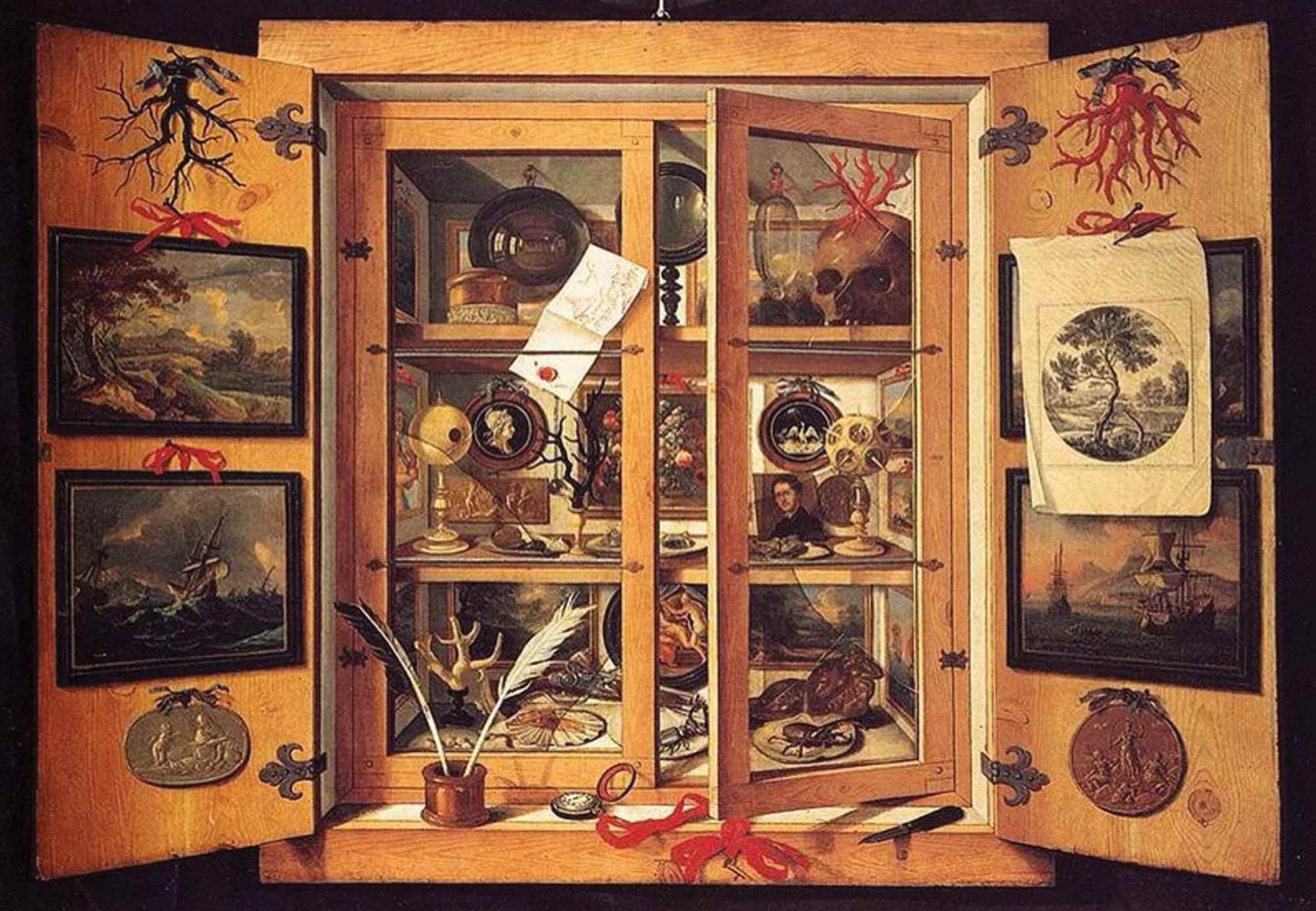
This imperial dominance can be traced back to 17th-century Western museum prototypes, known as Wunderkammers (or Cabinets of Curiosities). The cabinets, combining “shells and stones, skulls and bones, carvings, globes, books, paintings and artillery in one chamber,” were organised with seemingly less strategic object acquisition, placement and contextualisation. The prototype, however, set the stage for the museum’s development towards what we now understand as traditional object acquisition and display. While the Cabinet of Curiosities could include unconnected artifacts across natural history and cultural categories, it cemented the practice of Western collecting habits as signifiers of power and technological advancement. As the nineteenth century dawned, museums were channelled towards new senses of public pride, becoming cavernous symbols of a nation’s cultural and societal mastery—such as the once private, royal gallery, the Louvre, becoming national property in 1792, in the wake of the French Revolution.
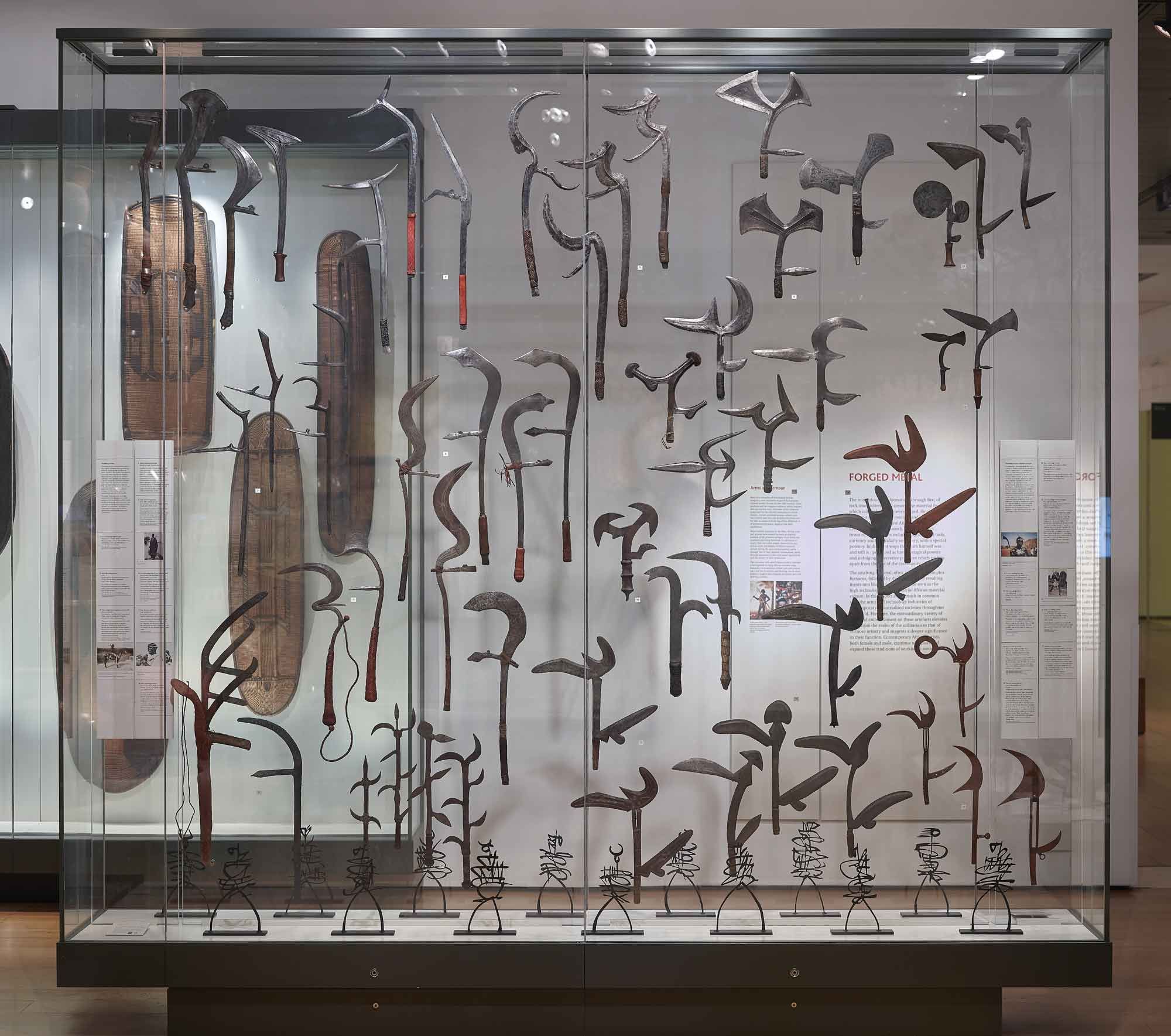
The term ‘throwing knife’ is a label attached by ethnographers to a wide variety of African artefacts which cannot be described as axe, spear or sword, and only some of which were designed to be thrown. It is therefore a problematic description for a group of artefacts whose full significance has yet to be understood.
—‘African throwing knives’ label, the British Museum
As museums expanded their collections in the pursuit of consolidating cultural and imperial power, concomitant classificatory systems were instituted to categorise these acquired objects. Artifacts were grouped, separated, labelled, renamed, tagged, numbered, described, dated. This museological practice of ‘naming’ or ‘re-naming’ collected artifacts can be partly understood as a practice of linguistic imperialism, used to reinforce colonial power. For example, objects that were deeply connected to spiritual or ceremonial practices might be renamed or categorised by their material or aesthetic qualities rather than their cultural significance. This recontextualization, in which objects are stripped of their original cultural meanings and reduced to simple categories, is exemplified in the British Museum’s collection of ‘throwing knives.’ Encased in glass and suspended in mid-air, as though lifted from the pages of an ethnographer’s notebook—or, as the name suggests, caught in the act of being thrown—this collection highlights a central flaw in the institution’s efforts to classify. Upon reaching the cabinet in ‘Gallery 25, Africa,’ a visitor would be forgiven for assuming that these objects bore identical purposes, levelled as they are as if entirely synonymous with one another. Yet, a closer examination of the accompanying text reveals a paradoxical description. While ethnographers historically grouped these objects into one reductive category, the British Museum now awkwardly informs the visitor that not all of these objects would necessarily have even been thrown. For lack of a better system and seemingly insufficient research, the axe, spear and sword variants have been reduced to the uncomplicated descriptor of ‘throwing knife.’
One might reasonably suspect that the British Museum’s apparent self-flagellation is of relatively recent origin. Efforts to publicly undo the colonial foundations that have long underpinned Western museum practices only gained significant momentum in the past three decades or so. In 1988, the First Peoples-Canadian Museums Association Task Force was established and sought to “study and make recommendations in order to develop better working relationships between museums and aboriginal groups in Canada.” In 1990, the United States established the Native American Graves and Repatriation Act (NAGPRA) to provide for the “repatriation and disposition of certain Native American human remains, funerary objects, sacred objects, and objects of cultural patrimony.” In 1998, the Te Papa Tongarewa Museum opened in New Zealand with a bicultural policy affirming “the right of Maori to manage their taonga [cultural treasures]” and recruiting and training Maori people to work in the museum.
While these events suggest the attempted reform of museological practice, both on the part of a nation’s government and its entwined museums, the actual success of such programs is varied and contested. Curator Lynn Maranda points out that “Despite its best intentions,” the Canadian Task Force’s Report ultimately “became a shelved document as funding to effect implementation was not forthcoming from the Canadian Government.” Maranda’s comments also highlight a broader issue within museum reform: while institutions may acknowledge the need for change, their ability to enact meaningful transformation is often stymied by systemic inertia, lack of resources, or entrenched institutional power structures. Gestures, such as adding new labels or displaying a limited number of objects from marginalised communities, offer only temporary solutions to deeper, more persistent absences.
Nevertheless, The Pitt Rivers Museum has made such gestures central to its current ethos as an institution seeking to confront its imperialist past. A particularly proactive participant in the ongoing discourse of museum reform, it serves as an example of how early Western museum models attempt to modernise as political, social and cultural concerns shift over time. Today, visitors to the museum are greeted not only by exhibits, but also by explanatory wall text that acknowledges the institution’s colonial origins and outlines its efforts to repatriate some of its most contentious objects. Equally, the museum’s website, which features the entire collection catalogue, includes a ‘Cultural advice’ notice, forewarning visitors about “viewing materials that may be considered culturally sensitive.” In 2013, the museum hosted the optimistically titled conference ‘The Future of Ethnographic Museums,’ signalling one of the main concerns consuming museum practice today: how does an institution founded upon colonial spoils function in a supposedly decolonising society?
Unsurprisingly, this question is not easily answered by an institution like the Pitt Rivers Museum. Although the museum boasts a number of repatriated artifacts and various collaborative initiatives—unsurprising, given the nature of its collection—people remain aggrieved, communities feel left out of the conversation and await the return of their objects. In the 2020 essay ‘A tour of the Krowathunkooloong Keeping Place,’ Cultural Manager and Gunai Kurnai Monero Ngarigo, Robert Hudson writes, “It was Howitt who sent our sacred bullroarers away after the last initiation ceremony, and now the Pitt Rivers Museum keeps them” (Howitt referring to nineteenth century Australian anthropologist and explorer, Alfred William Howitt). For Hudson, the sacred Gunai Kurnai objects are “detained” and he continues to advocate for their return.
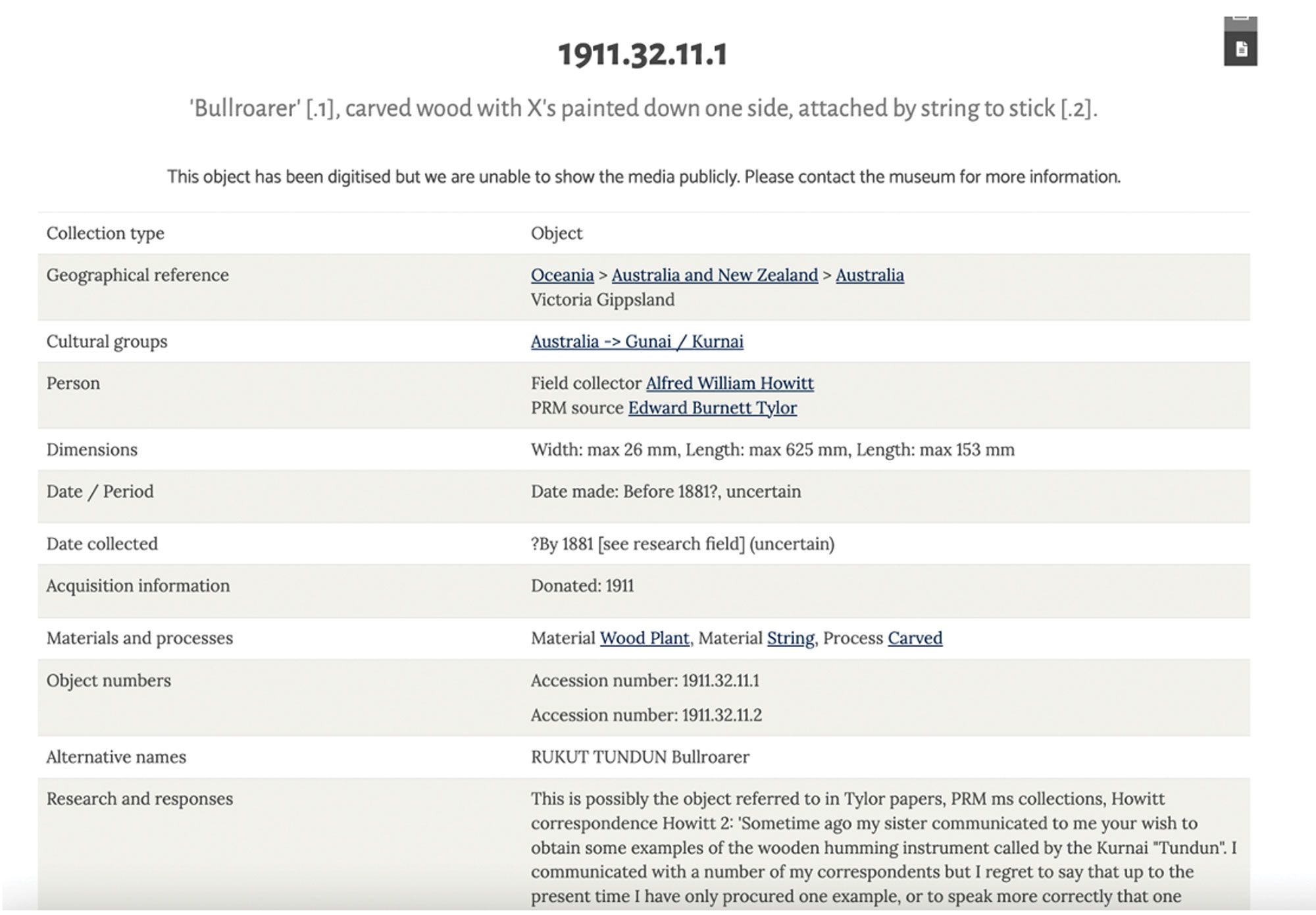
Hudson’s bullroarer is referred to as Object 1911.32.11.1 on the Pitt Rivers’ website. Instead of an image, it is accompanied by a notice reading “This object has been digitised but we are unable to show the media publicly. Please contact the museum for more information.” Presumably, the museum has agreed not to publish the image due to the bullroarer’s sacred status and its only being allowed to be touched and seen by men. Apparent in this accession entry is one of the major self-schisms within the modern museum’s split psyche. While refusing outright to return certain objects to their original owners, museums often express a conflicting desire to uphold some of the owners’ less conclusive wishes, such as removing an artifact from public view.
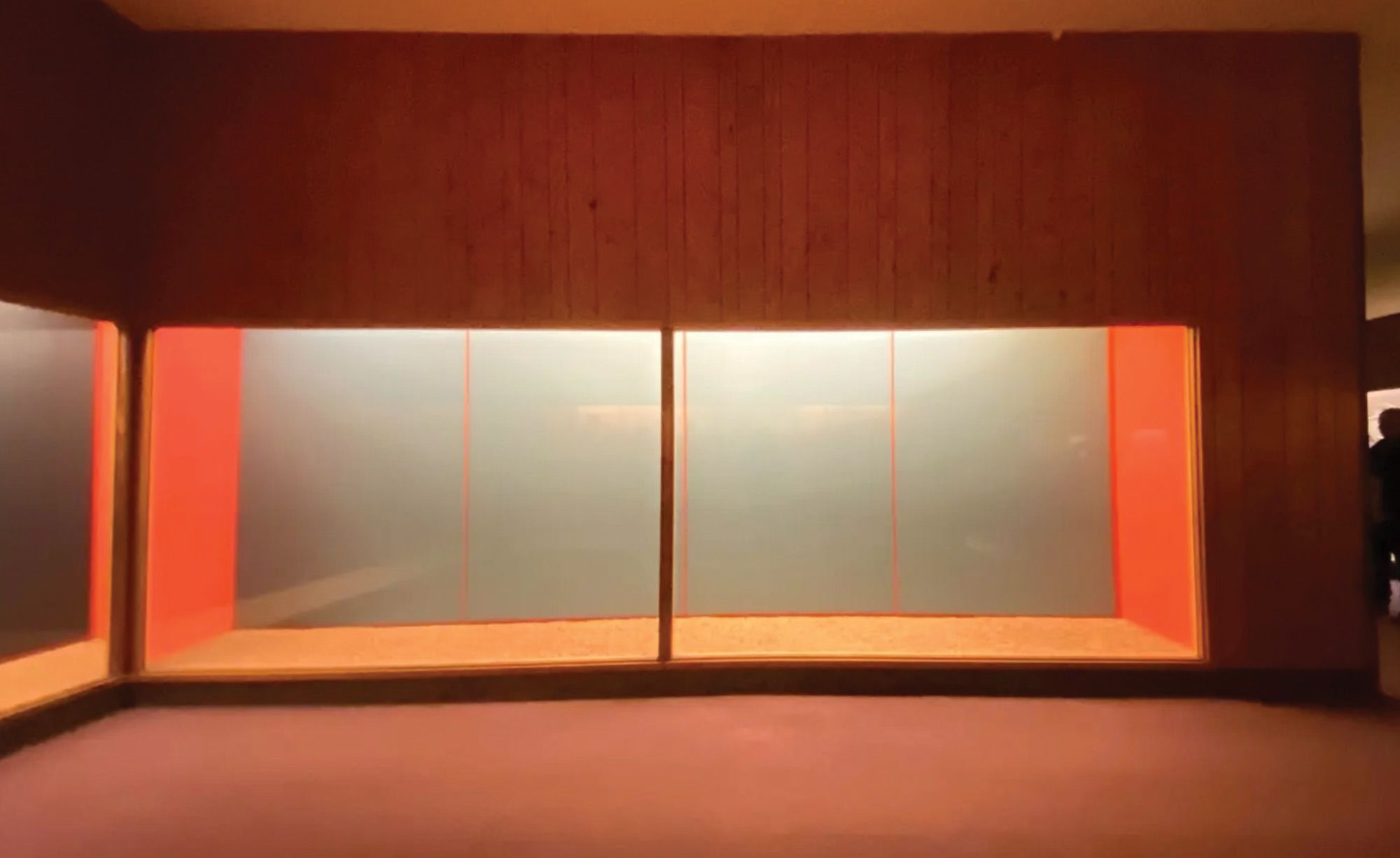
These apertures have proliferated across museum collections, extending far beyond immaterial and digitised archives. Indeed, a visit to the American Museum of Natural History (AMNH)’s Cultural Halls in New York now includes closed exhibitions and emptied or covered display cases. As the museum’s president Sean Decatur explains in his January 2024 public letter: “The Halls we are closing are vestiges of an era when museums such as ours did not respect the values, perspectives, and indeed shared humanity of Indigenous peoples.” Newly updated 2024 NAGPRA guidelines, issued by the US Department of the Interior, served as a critical impetus for the museum’s actions, as Decatur’s letter states. The closed halls include the Eastern Woodlands and Great Plains Halls, dedicated to Indigenous cultures of North America, as well as cases located outside the Hall of Eastern Woodlands, within the Mead Hall of Pacific Peoples—featuring Native Hawaiian objects—and the Theodore Roosevelt Memorial Hall. These now-vacant vitrines, still illuminated, stand as stark, uncomfortable symbols—hollowed-out chambers, spotlit yet vacant—of a painful and yet-to-be fully realised past. In a manner characteristic of vague institutional administrative rhetoric, Decatur remarks in his July 2024 update that the process of reconciling these issues will not be a swift endeavor: “the work before us will not be completed in a matter of months or even a few years... we will continue to move forward on lasting and substantive changes to our policies, practices, and approaches.”
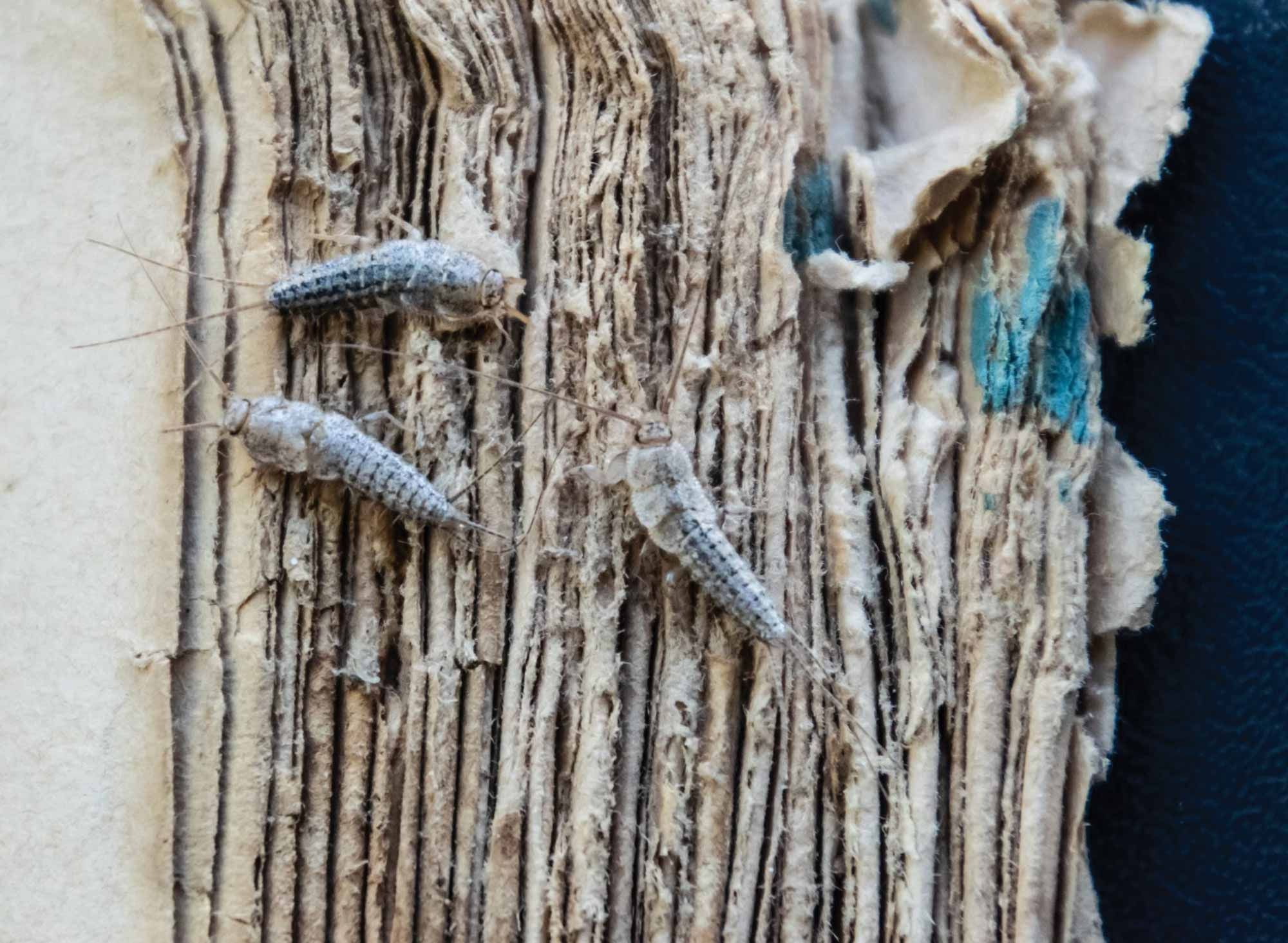
While the AMNH’s Cultural Halls offer a tangible example of self-enacted holes in museum collections, an unintentional and hidden form of physical loss can similarly be found at the microscopic level. These invisible adversaries—what William Blades once called the “enemies of books”—come in the form of beetles, mites, worms, and larvae that feast upon paper, fur, canvas, linen, and leather. The black carpet beetle (Attagenus unicolor), book lice (Liposcelis sp.), clothes moths (Tinea pellionella), cigarette beetles (Lasioderma serricorne), and silverfish (Lepisma saccharina) have been pestering museum collections for centuries. Silently eating away at protected relics, the borers are a reminder not only of the fragility of these artifacts but also the human-made hierarchical systems of value that nature will not respect. Indeed, the image of the AMNH’s emptied display case, with its sleek wooden cabinets and deep red floor, evokes a sense of unnerving sterility. This cleanliness—marked by a manic desire to organise and enshrine—plagues the museum’s psyche ad infinitum. In this supposedly sterile space, there is an illusion of clarity that belies the complex messiness of the practices from which the museum, and its Enlightenment foundations, emerged.
Although an impulse to sterilise underscores the contradictions inherent in Western colonial endeavours, museology—both as a theory and practice—contains counterexamples that seek to challenge the long dominant modes of the museum. One such example can be found in the Museum of Free Derry in Derry, Northern Ireland, an institution that commemorates the 1972 events of ‘Bloody Sunday’—in which British soldiers shot 26 unarmed civilians during a protest march—and the broader history of the civil rights movement in Northern Ireland. A bullet hole, preserved behind glass, punctuates a wall that is both a piece of the museum’s collection and, paradoxically, part of the structure that houses it. The wall’s inclusion within the collection collapses the traditional boundaries between artifact and display; it is not merely an object removed from its context but an active, enduring relic of a violent past. In this way, the museum reframes the function of the collected object, turning the very architecture into a medium for historical narrative.
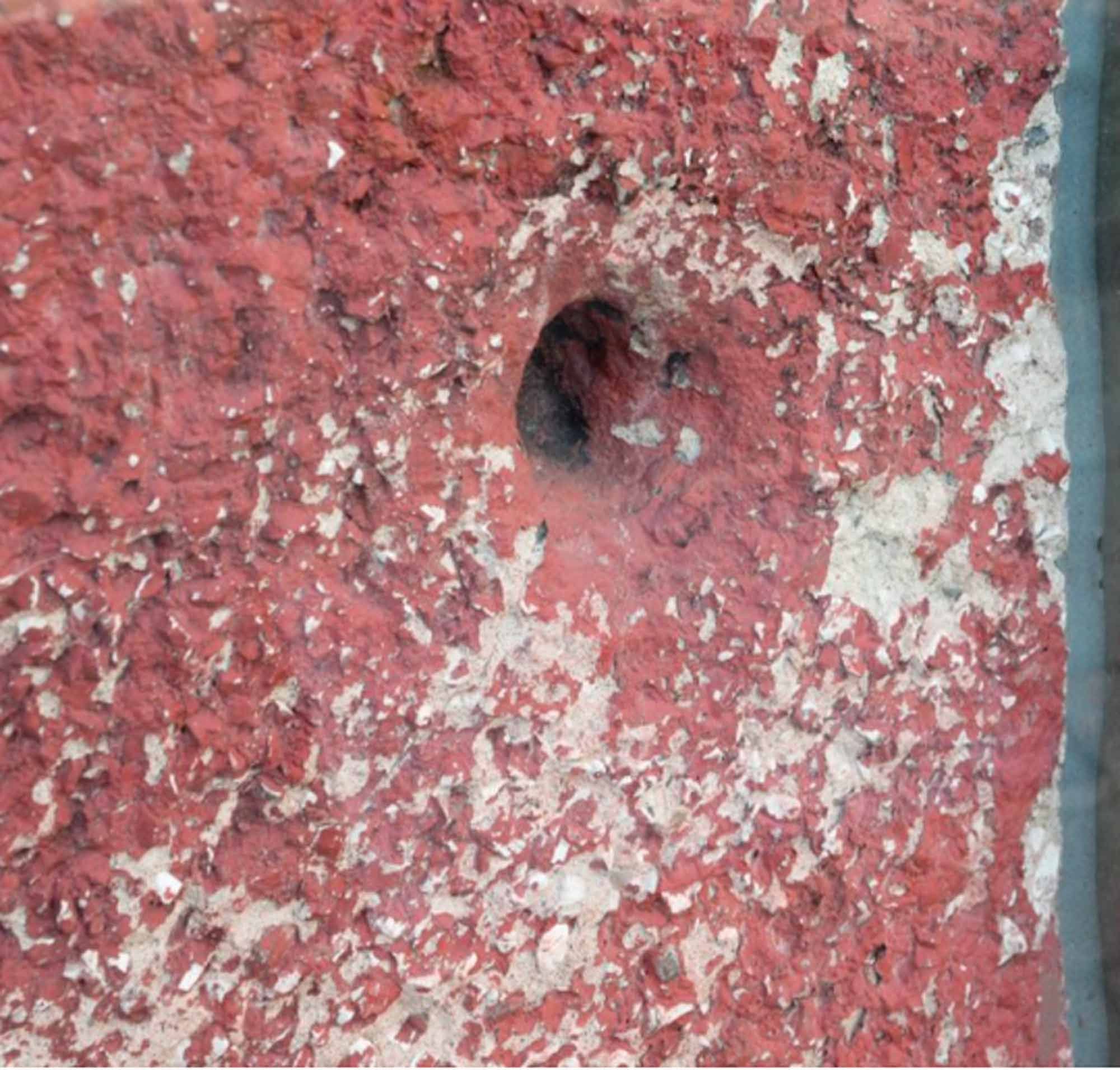
Founded in 2006 and staffed by locals and family members directly involved in the 1968-1972 ‘Free Derry’ movement, The Museum of Free Derry is located on the site of a once-derelict housing block where police used to clash with locals. The museum is an example of two less traditional but increasingly prominent factions in museum practice: the self-run museum and the site museum. A self-run museum is typically managed by individuals who are directly connected to the events or culture it seeks to preserve, providing a particularly personal and close perspective on the history being told. Conversely, the site museum is positioned on the original location of the events or cultural practices it seeks to commemorate, further enhancing, it is thought, the connection between the museum’s collection and its historical context.
The Museum of Free Derry embodies both of these forms, being not only self-run by those with personal ties to the Free Derry movement but also a site museum, located at the very heart of the political unrest it seeks to preserve. Here, the bullet hole can be understood as a powerful inversion of the hole as an absence. Instead, the hole becomes a symbolic presence from which the institution emerges. Rather than a site of extraction and violence, where objects are taken from their place of origin and displayed in foreign contexts, the museum emerges from the very wound it commemorates. This hole, embedded in the fabric of the building, becomes a site of repair rather than rupture—a place where the void is filled not by the imposition of institutional narratives, but by the voices and histories of those who lived through the events it memorialises.